
What actually counts as an instant game
I never really planned to spend so much time with these little games. It started almost by accident, one evening when I had maybe ten minutes before dinner and didn’t want to commit to a full session of anything. Somewhere along the way, while poking around a site that also mentioned Payid pokies australia in its promo banner, I noticed a whole shelf of titles that loaded instantly, no fuss, no tutorial screen demanding my attention. That’s basically the whole category in a nutshell: things you can open, understand, and finish within a couple of minutes.
Contents
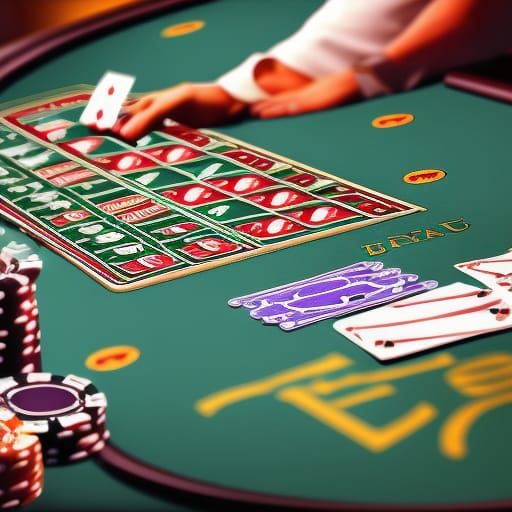
The term gets used loosely though, and I think that’s worth admitting upfront. Some people mean scratch cards, others mean crash-style games, others mean simple dice or coin-flip formats. There isn’t one tidy definition, and honestly I’m not sure there needs to be. What ties them together is the pace, not the mechanic.
Speed versus depth
It took me a while to work out why these games felt so different from, say, a themed slot with a bonus buy feature and four different jackpot tiers. The answer, I eventually decided, is that instant games trade depth for speed on purpose. You’re not meant to study a paytable. You’re meant to press a button and see what happens almost immediately.
Why I keep coming back to short sessions
I used to think longer sessions meant more value somehow, like time spent equaled entertainment gained. That’s not really true, at least not for me. A five minute round of something simple, played while waiting for a kettle to boil, can be just as satisfying as half an hour on a bigger game, maybe more so because there’s no pressure to keep going.
A few things stood out to me once I paid closer attention to how these quick formats actually behave:
- Rounds usually resolve in under thirty seconds, sometimes much faster.
- Rules are explained in a sentence or two, not a full page of terms.
- There’s rarely any need for strategy guides or practice runs.
- Losses and wins feel smaller in scale, which somehow makes the whole thing feel lighter.
That last point surprised me. I expected fast games to feel more intense, but the opposite happened. Maybe it’s because each round is so brief that nothing gets a chance to build up emotionally, for better or worse.
The mechanics behind the simplicity
Underneath the plain interface there’s usually a random number generator doing the same job it does everywhere else, just dressed up in a much smaller package. I asked around a bit, read a couple of forum threads, and the consensus seems to be that fairness testing applies the same way regardless of how quick the round is. That reassured me somewhat, though I’ll admit I don’t fully understand the technical side, and I’m not sure most players do either.
Random outcomes, no learning curve
A typical round tends to follow the same rough sequence, even across very different game types:
- You set a stake, usually with a slider or a couple of preset buttons.
- You confirm the action, whether that’s a tap, a click, or dragging a card.
- The result appears almost instantly, often with a short animation.
- Winnings, if any, land in the balance right away.
- You decide whether to repeat, adjust the stake, or simply close the tab.
Nothing about that sequence demands prior knowledge. I remember trying one of these games for the first time without reading a single rule, and I still understood what was happening by round two. That’s fairly rare in gambling formats generally, where instructions can get surprisingly dense.
Simple isn’t the same as shallow, though it took me longer than I’d like to admit to actually believe that.
Where instant games fit into a longer session
Personally I use them as a sort of buffer. Before settling into something longer, or after finishing one, a quick round or two feels like a natural pause, a bit like flicking through a magazine while waiting for a kettle. I wouldn’t say they replace bigger games entirely, and I doubt that’s the intention behind them either.
There are a few situations where I reach for them specifically:
- When I only have a short break and don’t want to start something longer.
- When I want a lower-stakes activity without much thinking involved.
- When I’m testing a new platform and just want a quick feel for how it runs.
None of that is particularly scientific, it’s just how the habit developed for me over time. Other players probably use them differently, and that seems perfectly reasonable.
Frequently asked questions
Do instant games pay differently from slower formats
Not inherently. The return figures are usually published the same way, though the speed of play can change how quickly you notice patterns.
Are these games suitable for someone who has never gambled online before
I’d say yes, mainly because the rules are so short there’s little room for confusion.
Why do some rounds feel almost too fast to process
That’s the point, more or less. The pace is intentional, though it does take a session or two to adjust to it.
Can short sessions still lead to long play if you’re not careful
They can, actually, since one quick round tends to invite another. Keeping track of time helps more than it sounds like it would.